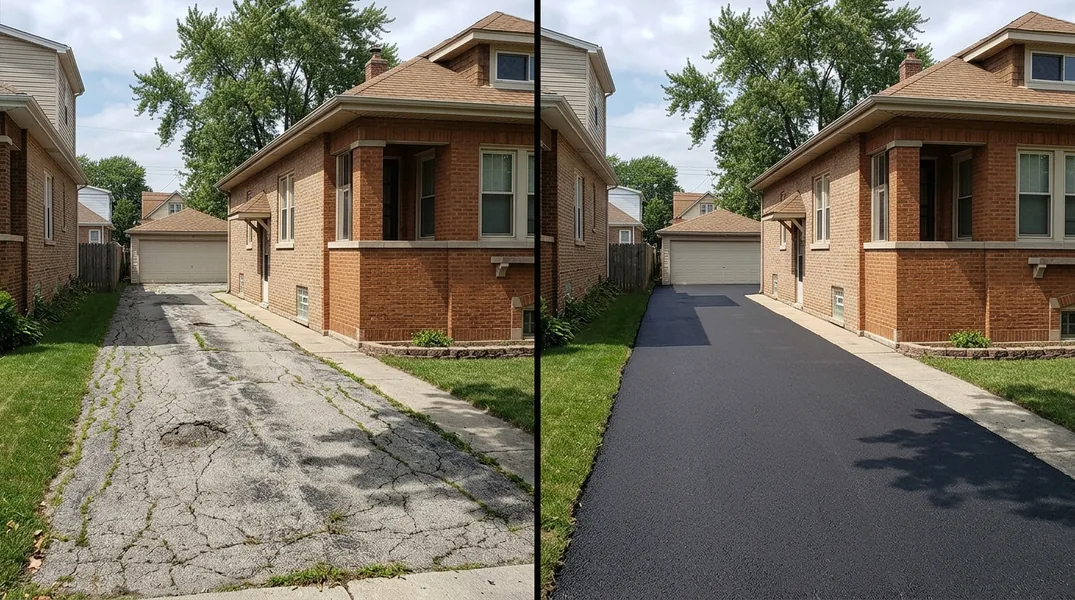
How Long Does New Asphalt Take to Cure?
One of the most common questions homeowners ask after investing in Asphalt Driveway Paving & Installation is how long the curing process takes. The answer isn't quite as simple as a single number, because asphalt curing happens in stages. When your new driveway is freshly laid, the material is hot and pliable. Over the following hours and days, it begins to cool and harden, but this visible hardening is just the beginning of the curing process.
In Chicago, most new asphalt reaches what's called initial set within 24 to 48 hours. At this point, the surface feels firm to the touch and looks fully solid. However, the material continues to cure at a deeper level for much longer. Full structural curing typically takes 6 to 12 months, during which the asphalt continues to compact and strengthen from the weight of traffic and environmental exposure. This extended curing period is why proper maintenance and care during those early months is so critical to the long-term durability of your driveway.
How Long Before You Can Drive on New Asphalt?
This is the question most homeowners are eager to answer. While your asphalt may look ready to drive on within 24 to 48 hours, the timing depends on several factors including air temperature, humidity, and the thickness of the asphalt layer applied. During cooler months in Chicago, curing takes longer than during warm summer weather. Your paving contractor will provide specific guidance based on the conditions at the time of installation.
As a general rule, you should wait at least 48 hours before driving on new asphalt, and ideally up to 7 days for light traffic only. Heavy vehicles, parking in one spot for extended periods, and sharp turns should be avoided during the first two weeks. Even though the surface may feel hard, the underlying layers are still consolidating. Excessive weight or stress during this critical window can create divots, soft spots, or surface deterioration that may require Driveway Repair down the road. If you must use your driveway during the early curing period, drive slowly and avoid stopping in the same location repeatedly.
Essential New Asphalt Driveway Care During the First Month
The first 30 days after your new asphalt is installed are crucial for ensuring a long and healthy lifespan. During this period, your driveway is most vulnerable to damage and environmental stress. One of the most important aspects of new asphalt driveway care is protecting it from water infiltration. Even though asphalt appears waterproof, water can seep into small cracks and gaps, especially if the surface isn't fully cured. Avoid washing your new driveway or allowing standing water to accumulate during the first month.
You should also be mindful of heat during the first few weeks. In hot weather, asphalt can soften slightly, especially if it's still in the early stages of curing. Avoid parking your vehicle in the same spot for extended periods, and try not to let heavy items sit on the surface. Gasoline, oil, and other petroleum products can also soften fresh asphalt more readily than fully cured asphalt, so be extra cautious about spills. If you do accidentally spill fuel or oil, clean it up promptly with absorbent material rather than washing it away with water.
Preparing Your New Driveway for Its First Chicago Winter
If your new asphalt installation happens in fall, preparing for winter is an urgent priority. Chicago winters are notoriously harsh on asphalt, and a driveway that hasn't fully cured is especially vulnerable to freeze-thaw damage. When water penetrates the surface and then freezes, it expands, creating stress that can cause cracking and potholes. To protect your investment, avoid applying salt or ice melt products during the first winter if possible, as these chemicals accelerate deterioration in newly laid asphalt. Instead, use sand for traction and remove snow mechanically with a plastic shovel rather than a metal one.
If your driveway must endure a full winter before reaching complete maturity, consider having it sealed once spring arrives. Seal coating provides an additional protective barrier that helps prevent water infiltration and UV damage. This is one of the most cost-effective maintenance steps you can take, especially for new asphalt that's still curing. The investment in proper winter care and spring seal coating can add years to your driveway's life and prevent expensive Pothole Repair & Asphalt Patching later.
How Often Should You Seal Your Driveway?
Once your new asphalt has fully cured, establishing a seal coating schedule is one of the most important maintenance habits you can develop. Seal coating acts as a protective layer that shields your asphalt from UV rays, water, oil, and chemical damage. For most Chicago homeowners, seal coating should be applied every 2 to 3 years, though the exact frequency depends on your climate, traffic volume, and how well you maintain the surface. A newly installed driveway should typically be sealed within 6 to 12 months after installation, once the asphalt has fully matured.
Skipping seal coating or waiting too long between applications is one of the most common mistakes homeowners make. Without this protective layer, water gradually penetrates the asphalt, weakening its structural integrity from within. Over time, this leads to cracking, potholes, and the need for costly repairs or even full Asphalt Resurfacing & Overlay. By maintaining a regular seal coating schedule, you're essentially investing a small amount today to avoid much larger expenses tomorrow. Think of it as insurance for your driveway.
When to Call a Professional for New Asphalt Care
While there's much you can do to care for your new driveway yourself, knowing when to call a professional is equally important. If you notice any soft spots, unusual discoloration, or surface irregularities within the first few months, contact Chicago Asphalt Paving right away. Early intervention can often prevent small issues from becoming major problems. Similarly, if you're unsure about the curing timeline, weather conditions affecting your installation, or the right maintenance schedule for your specific situation, a consultation with experienced professionals can provide invaluable peace of mind.
Chicago Asphalt Paving has been serving the Chicago area with expert installation and maintenance guidance for years. Whether you need advice on caring for your newly installed driveway or you're ready to schedule your first seal coating, our team is here to help. Call us at (312) 878-9687 or visit our website to get a free estimate and learn more about how we can help protect your investment for years to come.
Looking for a professional asphalt paving contractor in Chicago? Chicago Asphalt Paving responds fast for all your asphalt paving needs.
Get a Free Quote